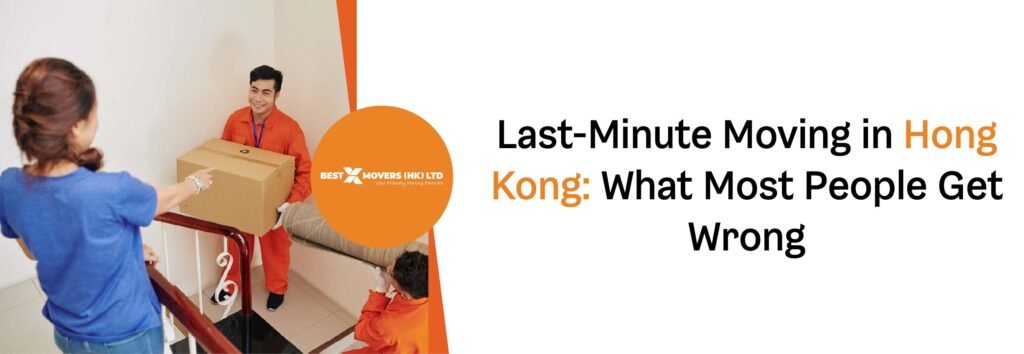
Last-Minute Moving in Hong Kong: What Most People Get Wrong
The Reality of Last-Minute Moving in Hong Kong Life happens when you least expect it. Job transfers, family emergencies, or sudden housing changes can force you into a position where you need last minute moving hong kong services with just hours to spare. While Hong Kong’s efficient infrastructure might make this seem manageable, most people stumble into costly mistakes that could easily be avoided. Last-minute moving in Hong Kong isn’t just about throwing things into boxes and hoping for the best. The city’s unique challenges – from narrow staircases in old buildings to strict traffic regulations – make emergency relocations more complex than anywhere else in the world. The biggest misconception? That you’re powerless when time is short. Smart planning, even with limited hours, can save you thousands of dollars and prevent major headaches. Common Mistakes People Make During Emergency Moves Underestimating the Time Required Most people think they can pack an entire apartment in two hours. Reality check: even experienced quick movers hong kong professionals estimate at least 30 minutes per room for proper packing. Your grandmother’s china collection won’t pack itself safely in five minutes. Ignoring Building Regulations Hong Kong buildings have specific moving hours, elevator reservations, and deposit requirements. Many buildings require 24-48 hours notice for moves. Ignoring these rules can result in: Attempting to Do Everything Alone Pride comes before the fall – literally. Heavy furniture and narrow Hong Kong staircases don’t mix well with amateur movers. Professional same day movers hong kong services exist for good reasons. The Panic Pricing Trap When you’re desperate, you’ll pay anything. This mindset leads to poor financial decisions that haunt you for months. Emergency moving company hong kong services do charge premium rates, but there’s a difference between fair premium pricing and outright exploitation. Research shows that last-minute moves typically cost 30-50% more than planned relocations. However, paying 200-300% more indicates you’re being taken advantage of. Red Flags in Emergency Moving Quotes Why Professional Help Matters for Urgent Moves Experience with Hong Kong’s Unique Challenges Professional fast house moving hong kong companies understand local regulations, building requirements, and traffic patterns. They know which routes avoid peak congestion and which buildings require special equipment. Proper Equipment and Manpower Moving heavy items requires dollies, straps, protective padding, and experienced hands. What takes four amateurs six hours might take two professionals one hour. Insurance and Liability Protection When you’re rushing, accidents happen. Professional services carry insurance that protects your belongings and property from damage during the move. Smart Strategies for Same Day Moving Services Create a Priority System Not everything needs to move immediately. Focus on: Use the “Room-by-Room” Method Start with the smallest room and work your way up. This creates visible progress and prevents overwhelming yourself. Leverage Technology Several Hong Kong-based apps connect you with short notice moving services hong kong providers. These platforms often have real-time availability and transparent pricing. Essential Documentation and Legal Requirements Building Management Notifications Most Hong Kong residential buildings require: Government Notifications Don’t forget to update your address with: Utility Transfers According to the Hong Kong Consumer Council, utility disconnection and reconnection can take 2-3 business days. For last minute relocation hong kong situations, contact providers immediately to minimize service interruption. Packing Mistakes That Cost Time and Money Using Inappropriate Packing Materials Garbage bags aren’t moving containers. They tear, provide no protection, and make items difficult to identify. Even in emergencies, invest in proper boxes. Overpacking Boxes A 50-pound box of books becomes unmovable furniture. Keep boxes under 30 pounds for easier handling. Neglecting to Label When you arrive at your new place exhausted, unlabeled boxes become a nightmare. Use permanent markers and label at least the room destination. Forgetting About Fragile Items Hong Kong’s humid climate and temperature changes can affect electronics and delicate items. Wrap them properly, even if you’re in a rush. Transportation Challenges in Hong Kong Peak Hour Restrictions Hong Kong’s traffic regulations restrict large vehicles during peak hours (7:30-9:30 AM and 5:30-7:30 PM). Affordable last minute movers hong kong must plan routes carefully to avoid fines and delays. Parking Limitations Many areas have no parking zones or require special permits for commercial vehicles. Professional moving companies understand these restrictions and plan accordingly. Building Access Issues Older Hong Kong buildings often have: How to Find Reliable Emergency Moving Services Research Before You Need It Don’t wait for an emergency. Research same day house shifting hong kong companies now and keep contact information handy. Look for companies with: Ask the Right Questions When calling for urgent moving services hong kong, ask: BestMoversHK Advantage At BestMoversHK, we understand Hong Kong’s unique moving challenges. Our team specializes in emergency relocations and maintains relationships with building management companies across the territory, ensuring smoother last-minute moves. Cost Management for Last-Minute Relocations Understanding Fair Pricing Last-minute moving in Hong Kong services typically charge 30-50% above standard rates due to: Ways to Reduce Emergency Moving Costs Hidden Costs to Watch For Making the Best of a Stressful Situation Emergency moves are stressful, but they don’t have to be catastrophic. The key lies in staying calm, making informed decisions, and knowing when to ask for professional help. Remember that last-minute moving in Hong Kong is more common than you think. Professional moving companies deal with these situations regularly and have systems in place to help you succeed. Whether you’re facing a job transfer, family emergency, or unexpected housing change, the right approach can turn a potential disaster into a manageable challenge. Focus on what truly matters, get professional help for the heavy lifting, and don’t let panic drive your decision-making. The next time life throws you a curveball requiring an emergency move, you’ll be prepared with the knowledge and strategies needed to handle it like a pro. After all, Hong Kong’s fast-paced lifestyle demands adaptability – and that includes knowing how to move quickly when circumstances require it. Ready for your emergency move? Contact BestMoversHK at bestmovershk.com for professional, reliable last-minute moving services that won’t break your budget